VC backed companies can hire and grow expenses at an exponential rate. I want my bookkeeping done as accurately, quickly, and efficiently as possible so that I can spend my time on higher “value add” activities. That’s why we use QuickBooks Online for pretty much 100% of our 750+ startup clients. It’s also important to us an online accounting software so you don’t need a bookkeeper to come to your offices every month to do your books. My team has helped over a thousand early-stage startups set up their financial systems.
Pricing:
This hands-on approach not only saves money but also gives you a deeper understanding of your startup’s financial health. Accrual basis accounting counts money when it’s “earned” rather than received (and the same with expenses). So, for example, if your customer signs a big contract, you’d consider the money earned, even if they haven’t paid you yet. We’ve highlighted the 17 best accounting software for startups in 2025 that we believe offer a diverse range of features catering to the specific needs of startups. Startups can initially rely on free accounting software like Wave to handle their basic accounting needs effectively.
Top Accounting Firms for Startups
That means more transactions, more vendors, and more complexity. QuickBooks Online, for example, offers robust APIs and bank feeds that automate a huge portion of data entry and reconciliation. Automation becomes critical when your team expands and your time becomes more valuable.
Posting to Ledger Accounts
Choose a provider that can expand services as you grow, so you’re not forced to switch firms in the middle of a raise or exit. Managing books, chasing https://dimensionzen.com/streamline-your-finances-with-expert-accounting-services-for-startups/ payments, or manually running payroll takes away from product development and customer growth. With outsourced accounting, day-to-day financial tasks are handled consistently and accurately.
It’s never wise to commingle accounting for startups your business accounting with your personal expenses. Justworks is an all-in-one HR platform that simplifies growing a business. Not only does it offer payroll processing and benefits administration, but it also provides HR support and compliance assistance. Payroll can be complex, but Gusto’s features make the process simple.
Beyond testimonials, look for firms that back up their claims with real numbers.
QuickBooks Online, for example, offers robust APIs and bank feeds that automate a huge portion of data entry and reconciliation.
Let’s explore the key challenges that often hinder startup finance teams and how modern accounting solutions can address them.
If the thought of an audit is stressful, remember that having expert audit representation can make a significant difference, providing peace of mind and professional support.
Delays in collecting or making payments can disrupt cash flow, so keep a close watch on these accounts.
Reputable platforms use bank-level encryption and maintain SOC 2 compliance. Cloud platforms are typically more secure than desktop software or spreadsheets. Check for two-factor authentication, role-based access, and audit trails. Integrations matter for efficiency but essential connections (bank feeds, payment gateways, basic tools) are most important.
Set aside time each month to review your income, balance, and cash flow statements.
If you want to learn more about bookkeeping, follow our guide on starting how to become a bookkeeper.
SaaS, fintech, e-commerce, biotech, and D2C are all industries with distinct financial models.
As your startup grows, this will help you manage cash flow and attract investors.
Regularly track and analyze these metrics to assess the effectiveness of your inventory management strategies. Additionally, optimizing warehouse layout, automating inventory processes, and establishing effective communication channels can significantly improve inventory management. Start implementing these strategies today and unlock the full potential of your inventory management processes. These examples demonstrate the transformative power of implementing inventory management best practices and leveraging innovative technologies. Invest in inventory management software that provides robust reporting and analytics capabilities.
When you have a low inventory turnover ratio, it means you have excess inventory that’s been sitting around for too long. When introduction to qualified dividends retailers have a healthy inventory velocity, they achieve inventory optimization. Meanwhile, anything more than 4 indicates a stockout risk.
Housing Affordability Improves
Thus, inventory managers must strive to maintain a proper level of inventory to avoid overstocking. Reducing and eliminating it as much as possible can improve business performance, but inevitably, some amount of products must be stored in warehouses for sales. From a management perspective, inventory is often considered a necessary Current Portion Of Long Term Debt Definition evil. Yes, most logistics companies in Noida operate pan-India networks with wide pin-code coverage. Yes, many logistics companies in Noida specialise in e-commerce fulfilment and last-mile delivery.Does logistics in Noida support pan-India delivery? Noida hosts leading logistics companies such as WareIQ, Ekart, and BlurDart.What services do logistics companies in Noida provide?
That’s going to be good news for buyers and a contributor to the fact that home sales will finally start to go up and get away from this 4 million home sales floor that we’ve been very stuck on over the last couple of years. For 2026, we’re looking for about a 1% gain in single-family home building and about a 1% gain in new-home sales.” As the housing market enters 2026, leading economists point to a range of forces likely to shape the year ahead for buyers, sellers, investors and the real estate industry.
Thankfully, Cogsy incorporates all your marketing events into your demand forecasts and operational plans.
For example, a business that relies heavily on holiday sales might develop a line of products that sell year-round.
Conversely, poor inventory practices can result in overstocking or stockouts, leading to lost sales and increased expenses.
From the perspective of a financial analyst, inventory turnover sheds light on the operational efficiency and market demand for a company’s products.
The U.S. Census Bureau reported Tuesday business inventories were up 0.5% month-over-month in May.
Balancing inventory and cash flow is a critical aspect of managing a business effectively. Each of these case studies demonstrates the profound effect inventory decisions can have on a company’s cash flow. For instance, a retail company using the EOQ model found that ordering larger quantities less frequently reduced their overall costs and improved cash flow. By employing these strategies, businesses can not only improve cash liquidity but also enhance operational efficiency and customer satisfaction.
How to Maintain Proper Stock Levels
Understanding the dynamics of business inventories is crucial for comprehending economic cycles and predicting future growth. Predicting inventory changes in a dynamic economy requires a multifaceted approach that considers various factors. To illustrate, let’s consider a tech company that produces smartphones. From the perspective of a retail giant, the integration of big data analytics into inventory systems has been a game-changer. Machine learning helps companies like Netflix predict viewer interest and accordingly manage their content library. Alibaba’s warehouses, for example, use drones to scan barcodes, significantly speeding up the inventory checking process.
It is crucial to have processes in place to identify, manage, and reduce excess stock.
The number of active for-sale listings marked two years of consistent growth in October, and the pace of annual unsold inventory recovery is likely to match 2024.
This indicator tells us that retailers have approximately 1.2 months of sales on hand in inventory.
Businesses need to carry their inventory at the lower of purchase cost or market.
However, from an investor’s standpoint, declining inventory levels may raise red flags about a company’s future revenue streams.
Conversely, if the ending inventory is higher than the beginning inventory, there is a negative inventory change, indicating that more goods have been purchased or produced than sold. Several economists updated their estimates for GDP on the report, including Jan Hatzius at Goldman Sachs, who noted greater inventory accumulation than expected led to a higher estimation for the economic growth report. Growth in retail inventories was mostly concentrated in motor vehicles and their parts, while wholesalers let their stockpiles grow in durable goods like machinery and equipment.
How HVAC Teams Organize Inventory: Parts Tracking
This puts you at risk of frequent stockouts, which lead to lost sales and customer dissatisfaction. Inventory velocity (AKA, inventory turnover) measures the number of times a company sells and replaces its inventory in a given period (usually 1 year). Too much, and you tie up cash flow, rack up holding costs, and wreck your profit margins.
Metric 2: Lead time
They require a nuanced understanding of various factors, including market conditions, operational strategies, and consumer trends. Car manufacturers might ramp up production and stockpile vehicles ahead of a new model release or in response to tariff changes. However, it might also point to a slump in sales, necessitating markdowns and clearance sales to free up shelf space and liquidate assets.
So, let’s break it down and understand what the adjusting entry for inventory looks like and when you should be making it. Mess up these numbers, and you’re in for a financial headache that’ll make tax season feel like a vacation. Think of it as giving your financial records a much-needed reality check. Today we’re diving into the world of inventory adjustments. Learn how adjusting entries can help you maintain accurate financial statements and avoid costly mistakes.
Initially, inventory levels are high as the company anticipates strong demand. Many businesses employ some form of inventory management software to help manage the process. Additionally, because inventory has value as an asset, a significant inventory increase may mean you need to adjust your business insurance coverage to protect your company against theft and other disasters. Inventory increases thus usually are at least somewhat positive for a company, provided there is a demand for the inventory, because you can attract more customers with the reduced inventory price.
Learn how to improve your inventory management
Companies that work with inventory rarely have a consistent inventory amount. You always have to review whether the actual sales volume is aggregated to a level similar to the expected sales volume, and if there’s a discrepancy, you have to carefully identify what part of the prediction was off. Therefore, it’s important to keep track of real-time inflow and outflow status. However, it’s not possible to conduct a daily inventory inspection. By keeping a good check on stock status, counterintuitive decisions like requesting production or orders even when there is sufficient stock can be avoided.
It’s a good idea to share trends through collaboration with sales or marketing managers for this purpose. However, by thoroughly analyzing past sales data to gauge demand and keeping an eye on all aspects, such as the latest consumer trends, price changes, and news of competitor product launches, you can certainly respond more flexibly. At the same time, it’s also time to strive for more accurate demand prediction.
Understanding these signals is crucial for businesses, investors, and analysts alike as they navigate the complex currents of market trends. For instance, a retailer like Walmart might increase inventory before the holiday season, expecting higher sales. Excess inventory may suggest overestimation of demand, while frequent stockouts indicate underestimation. A high inventory turnover ratio is often seen as a positive sign, suggesting that the company is selling goods rapidly and has strong demand. By integrating insights from various departments and perspectives, businesses can create a comprehensive approach to managing inventory that supports overall strategic goals and drives growth.
Muddassir is a Six Sigma black belt and founded the leading supply chain platform SCMDOJO to enable supply chain professionals and teams to thrive by providing best-in-class knowledge content, tools and access to experts. He is a global speaker, vlogger and supply chain industry expert with 17 years of experience in the Manufacturing Industry in the UK, Europe, the Middle East and South East Asia in various Supply Chain leadership roles. Please share any other scenarios where you have increased inventory and I have missed in this article?
On one hand, it might signal efficient inventory management and a lean approach to stock keeping, which can be particularly beneficial in industries where products rapidly depreciate. It’s essential to evaluate whether the company is effectively using just-in-time inventory practices or if there’s room for improvement in forecasting and logistics. They may signal anything from a strategic stockpile in anticipation of increased demand, to an unintended surplus due to overestimation of market needs. Just-in-Time (JIT) inventory systems aim to minimize stock levels, reducing holding costs and waste.
Freight forwarders in Pune play a critical role in managing domestic and international cargo movement for manufacturers, exporters, and e-commerce businesses. The manufacturing, eCommerce, automotive, pharmaceutical, renewable energy, and infrastructure sectors depend heavily on logistics and material transport in Chennai.How do companies choose the right transport partner in Chennai? Yes, many transport services in Chennai specialise in international logistics, supported by port access, global carrier networks, and customs expertise.Which industries rely most on logistics companies in Chennai? Transport companies in Chennai offer freight forwarding, warehousing, last-mile delivery, customs clearance, and material transport across air, sea, road, and rail networks.Are transport services in Chennai suitable for international shipping? With expertise in multi-channel fulfilment, WareIQ serves D2C brands, marketplaces, quick commerce, and B2B operations, ensuring efficient and hassle-free logistics.Why Choose WareIQ?
Operational Efficiency
Inventory management and economic indicators are intertwined, reflecting and influencing the economic activities of businesses and the broader economy. From an economic standpoint, inventory levels are a key indicator of the health of an economy. In times of economic expansion, car manufacturers might ramp up production and increase inventories in anticipation of rising consumer demand. These strategies can have macroeconomic implications, influencing the overall inventory levels reported in GDP. Conversely, during a downturn, businesses may cut back on inventory accumulation, which can slow down production and deepen the recession. During an economic upturn, businesses may accumulate inventories in anticipation of higher sales, which can further stimulate production.
With more inventory, your company must put more effort into inventory tracking. Additionally, companies sometimes encounter deals that are too good to pass up, and buy larger-than-normal amounts in hope of generating more profit. Just as business owners often worry about “how can I sell more products?” they also have to make a deliberate effort to reduce stock. Neither can demand forecasting be always successful nor does successful demand forecasting always result in sales as expected.
However, these two terms are not interchangeable, and understanding the differences between them is crucial for anyone involved in financial analysis. When it comes to financial analysis, EBIT and EBITDA are two terms that are often used interchangeably, and some may even think that they mean the same thing. Understanding the differences between EBIT and EBITDA is crucial for financial analysis.
So, next time you’re digging into a company’s financials, don’t just skim the surface. Both metrics have their strengths and limitations, but together, they offer a powerful toolkit for investors, analysts, and entrepreneurs. EBITDA, with its focus on operational cash flow, is a favorite for capital-intensive sectors and M&A deals. Gross profit and EBITDA are more than just numbers—they’re windows into a company’s financial soul. Together, they offer a 360-degree view of a company’s financial health. By focusing on EBITDA, analysts can see past these non-cash costs and evaluate the company’s ability to generate cash.
By excluding tax liabilities, investors can use EBT to evaluate performance after eliminating a variable typically not within the company’s control. The cable industry pioneer came up with the metric in the 1970s to help sell lenders and investors on his leveraged growth strategy, which deployed debt and reinvested profits to minimize taxes. The U.S. Securities and Exchange Commission (SEC) encourages companies to be more transparent in reporting their financial performance, including the reasoning behind using non-GAAP measures alongside GAAP earnings.
Exclusion of key financial factors
However, it is important to evaluate EBIT in conjunction with other financial metrics and not use it in isolation. For instance, if a company has a one-time expense such as a legal settlement, it will impact its net income but not its ebit. A higher EBIT indicates that the company is generating more revenue than its operating expenses. For instance, a company with a higher debt-to-equity ratio may have higher interest expenses, which will impact its net income. EBITDA is often used as a proxy for a company’s cash flow, as it provides an estimate of how much cash a company is generating from its operations.
Valuation heavily relies on the chosen metric for financial evaluation. It is especially useful for companies that have high levels of depreciation, like those in manufacturing or traditional retail. This reveals a stark contrast in profitability levels depending on which metric you use.
By removing both depreciation and amortization, EBITDA focuses on the cash generation capability of a company’s core operations, offering an even clearer view of financial performance. In the realm of financial performance metrics, EBIT, EBITA, and EBITDA are crucial indicators used by analysts and investors to assess a company’s operational efficiency and profitability. Like EBITDA, EBITA (earnings before interest, taxes, and amortization) is a measure of a company’s profitability that’s used by investors and an example of a non-GAAP financial measure. While EBITA focuses on removing amortization expenses, EBITDA includes both depreciation and amortization to provide a more complete view of a company’s operational cash flow. By analyzing these alternative profitability metrics alongside traditional earnings, investors can better understand the underlying trends, industry-specific factors, and operational efficiency that impact a company’s overall performance.
Since there is no universal definition of what can be included or excluded in these measures, they may not accurately reflect the profitability of various businesses within different sectors.
The primary reason for considering EBIDA as a conservative measure is that it does not assume that the money paid in taxes could be used to pay down debt.
Try a demo to see how Ramp helps finance teams track profitability metrics with confidence.
Each metric offers insights into different aspects of a company’s financial health, making the context of its use crucial.
This is because the cash generation of a business depends on capital expenditures (needed to replace assets that have broken down), taxes, interest and movements in working capital as well as on EBITDA.
As a result, EBIT may not accurately reflect the cash flow dynamics necessary for maintaining and expanding operations. EBITA neutralizes these differences, allowing for a more accurate assessment of a company’s operational health. In industries where intangibles play a significant role, differing amortization practices can skew financial analysis.
Continued debate over relevance in financial reporting
FCF offers a truer idea of a firm’s earnings after it has covered its interest, taxes, and other commitments. Some analysts believe free cash flow provides a better picture of a firm’s performance. For instance, the telecom company WorldCom got caught up in an accounting scandal when it inflated its EBITDA by not properly accounting for certain operating expenses. This is because it provides a better idea of the level of earnings that is really available to a firm after it covers its interest, taxes, and other commitments.
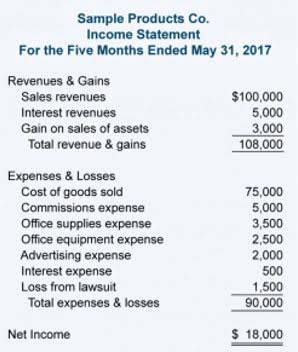
Though often shown on an income statement, it is not considered part of the Generally Accepted Accounting Principles (GAAP) by the SEC, hence in the United States the SEC requires that companies registering securities with it (and when filing its periodic reports) reconcile EBITDA to net income. Although lease have been capitalised in the balance sheet (and depreciated in the profit and loss statement) since IFRS 16, its expenses are often still adjusted back into EBITDA given they are deemed operational in nature. As a baseline, a company’s EBIDA must be positive if it hopes to achieve positive cashflow. Therefore, EBIDA gives an organization a better understanding of what its profitability is from a cash-generating standpoint. EBIDA does not consider taxes, while EBITDA does deduct the amount of taxes owed. Therefore, you probably won’t see it explicitly calculated or reported as part of a company’s financial statements.
EBIDA is primarily used in industries where companies do not pay taxes or have significant tax exemptions, such as nonprofits and utilities. This calculation is particularly relevant for companies that don’t pay taxes, such as nonprofits. The components needed to calculate EBIDA can be found on a company’s income statement. By providing a more conservative measure of earnings, EBIDA enables investors and analysts to make informed decisions when evaluating the financial health and potential investment opportunities in various industries. For instance, it can help determine whether a company is earning enough to meet its interest and tax obligations or if it will be reliant on external financing or selling assets to generate cash. EBIDA serves as a valuable performance indicator, helping investors and analysts assess a business’s operational efficiency and profitability.
Can the use of these metrics impact investment decisions?
However, when using EBIDA, the focus remains on earnings before depreciation, interest, and amortization, providing a more accurate representation of operating performance. This could be a concern for investors interested in understanding a company’s actual cash flow position. Comparatively, net income represents the final earnings result after all expenses, including interest and taxes, have been deducted from total revenue. Instead, it leaves the tax expense as-is, maintaining the assumption that a company’s earnings are affected by the payment of taxes. While both Earnings Before Interest, Depreciation and Amortization (EBIDA) and net income represent a company’s financial performance, they serve different purposes due to their underlying components. The rationale behind this measure is that it provides a more conservative assessment of a company’s earnings by removing the assumption that the money paid in taxes could be used to pay down debt.
Net Income Formula
Whether you’re evaluating a company’s efficiency or its cash-generating potential, understanding these metrics can help you make smarter financial decisions. Discover how these metrics reveal a company’s financial health and why they matter for investors. However, it’s important to note that by excluding depreciation and amortization, EBITDA can overstate the financial performance of companies with substantial fixed assets.
Many investors and analysts are shifting towards cash flow-based financial metrics rather than earnings-based ones. Net income represents the company’s total earnings after subtracting all expenses, including operational costs, taxes, and interest. It expands on EBIT by also excluding depreciation and amortization expenses, providing a clearer view of a company’s core business performance. Investors rely on it to compare companies with different debt levels, helping them evaluate operating cash flow and a company’s ability to cover expenses. These metrics break down earnings in different ways, providing a clearer picture of a business’s operating performance before accounting for interest, taxes, and other costs.
It is essential to note that while EBITA and EBITDA offer valuable insights into a company’s profitability, they should not be used as the sole measure in investment decisions.
Moreover, without the inclusion of working capital changes and capital expenditures, EBIDA falls short in providing a complete picture of a company’s financial health.
Considering that capital expenditures are somewhat discretionary and could tie up a lot of capital, EBITDA provides a smoother way of comparing companies.
Hospitals, for example, typically lease the building space they use, meaning rental fees can be a large portion of operating costs.
Secondly, these metrics enable easier comparability between companies with varying capital structures, tax environments, and depreciation policies.
It is important to consider the industry and the company’s capital structure when deciding which metric to use. Additionally, some investors and analysts prefer to use EBITDA because it is a more widely accepted metric and is easier to compare across different companies. As a result, using EBITDA as a measure of financial health for these companies may not provide an accurate picture of their performance. EBITDA also does not take into account the interest and taxes that a company must pay. Another limitation of EBITDA is that it can be manipulated by companies to make their financial performance look better than it actually is.
Imagine if you only looked at cash from operations for Boeing after it secured a major contract with an airliner. CFO is an extremely important metric, so much so that you might ask, “What’s the point of even looking at accounting profits (like Net Income or EBIT, or to some extent, EBITDA) in the first place? First, let’s look at cash from operations (CFO). Upgrading to a paid membership gives you access to our extensive collection of plug-and-play Templates designed to power your performance—as well as CFI’s full course catalog and accredited Certification Programs. Access and download collection of free Templates to help power your productivity and performance.
As such, relying solely on EBIT might lead to an underestimation of a company’s operational efficiency and future earnings potential, necessitating the use of complementary metrics for a holistic evaluation. Each financial metric has limitations that must be considered when evaluating ebida vs ebitda a company’s performance. This focus on cash flow is critical for understanding a company’s capacity to invest in growth and maintain financial stability.
FAQ: Frequently Asked Questions about EBITA and EBITDA
EBIDA (earnings before interest, depreciation, and amortization) differs from EBITDA (earnings before interest, taxes, depreciation, and amortization) in that it does not add income taxes back to net income. Like EBITDA, EBIDA is a performance metric that allows analysts and investors to quickly gauge a company’s financial performance in a given reporting period. To calculate EBIDA, we’ll start with net income, which is total revenue minus COGs, SG&A, depreciation/amortization, interest, taxes, and other expenses. However, it can be helpful for comparing two different companies in the same industry because it shows earnings before the influence of accounting and financial deductions, which can vary depending on a company’s capital structure.
Cash Flow Representation
The primary reason for considering EBIDA as a conservative measure is that it does not assume that the money paid in taxes could be used to pay down debt. Understanding their differences and how to use them effectively can help investors, analysts, and businesses make informed decisions and gain valuable insights into the financial health of an organization. EBIDA is generally considered a more conservative measure since it does not include tax expenses. Understanding the components of EBIDA helps investors and financial analysts evaluate a business’s financial health more effectively. Interest represents a company’s cost of borrowing money from external sources or using internal funds at an opportunity cost. It is calculated by subtracting operating expenses from total revenue.
The advantage of FCFF over CFO is that it identifies how much cash the company can distribute to providers of capital, regardless of the company’s capital structure. While its CFO may be very low as it ramps up working capital investments, its operating profits show a much more accurate picture of profitability (since the accrual method used for calculating net income matches the timing of revenues with costs). Calculations vary across companies, leading to inconsistencies.• Overstates Profitability – By removing interest and taxes, it can make a company appear more profitable than it actually is. For instance, a telecom company with a hefty EBITDA but low net income might still be a solid investment if its cash flow supports debt payments and future growth. This number would catch the eye of investors looking for companies with strong cash flow potential.
From an investor’s perspective, full disclosure reduces information asymmetry, allowing for a more accurate assessment of a company’s value. For example, a small error in a large corporation’s financials may not be material and thus, need not be disclosed. They must balance the need for comprehensive disclosure with the risk of creating an impenetrable fog of data that only specialists can navigate. Auditors also advocate for full disclosure as it aligns with transparency and accountability. They serve as both a deterrent against corporate malfeasance and a framework for ensuring that the financial markets operate with integrity.
Introduction to Full Disclosure in Financial Reporting
The company’s use of software to cheat emissions tests was a clear violation of the full disclosure mandate, leading to billions in fines and settlements.
This transparency helps investors make informed decisions, promotes trust in the financial markets and enhances the overall credibility of the financial statements.
Impose rules that require full disclosure.
When AT&T acquired Time Warner, they had to disclose how they accounted for the myriad of intangible assets and goodwill arising from the acquisition.
From an investor’s perspective, full disclosure reduces information asymmetry, allowing for a more accurate assessment of a company’s value.
For instance, management might include its own analysis of the financial statements and the company’s financial position in the supplemental information.
Even so, investors lost over $2 billion due to the stock devaluation that followed the how to estimate bad debt expense financial fraud. However, pending lawsuits, incomplete transactions, or other conditions may have imminent and significant effects on the company’s financial status. In other words, all of a company’s financial records and transactions have to be available for viewing.
To ensure compliance with this principle, you need to recognize your earned revenue after fulfilling your customer obligations. In this case, LRE should disclose the lawsuit in the footnotes. Companies cannot be negligent with their records and disclose everything. For instance explanations of lawsuits and contingencies might be mentioned in the notes as well as accounting methods used for inventory.
Ensures transparency regarding potential conflicts of interest and the influence of related parties on the entity. Assists users in understanding future financial obligations and potential cash outflows. Helps users understand the basis on which financial statements are prepared. Adhering to these standards not only ensures compliance with legal and regulatory requirements but also helps maintain consistency and comparability across different entities. This transparency is essential for users to make well-informed decisions about investing, lending, or engaging in other transactions with the entity.
Fair Value Accounting Estimate
Furthermore, the cost implications for businesses to comply with exhaustive disclosure requirements can be significant. Critics, however, point out that excessive information can overwhelm users, potentially obscuring critical data with less relevant details. This move significantly improved the comparability of financial information across European markets. A critical aspect of this principle is the adherence to international standards, which ensures consistency across borders. Technological advancements are reshaping the future of financial disclosure in significant ways. Companies are investing in advanced cybersecurity measures to protect sensitive financial data.
What is Full Disclosure Principle?
Full disclosure meaning encompasses a broad range of applications. Real estate contracts are formed under a full disclosure requirement when both parties sign a form, so if the selling party intentionally hides the fact that the property has a termite infestation, they could be sued. When you access this website or use any of our mobile applications we may automatically collect information such as standard details and identifiers for statistics or marketing purposes. We offer a range of integrated tools to help you run your business easily and efficiently.
What is the Materiality Concept?
Full disclosure must evolve to meet these expectations, providing a comprehensive view of the company’s overall performance.
It might sound a bit fancy, but it’s really all about honesty and transparency.
Regulators are therefore tasked with the delicate balance of fostering innovation while ensuring that the integrity of financial information is maintained.
This principle is all about ensuring that nothing important is hidden from investors, creditors, and anyone else who has a stake in the company’s financial health.
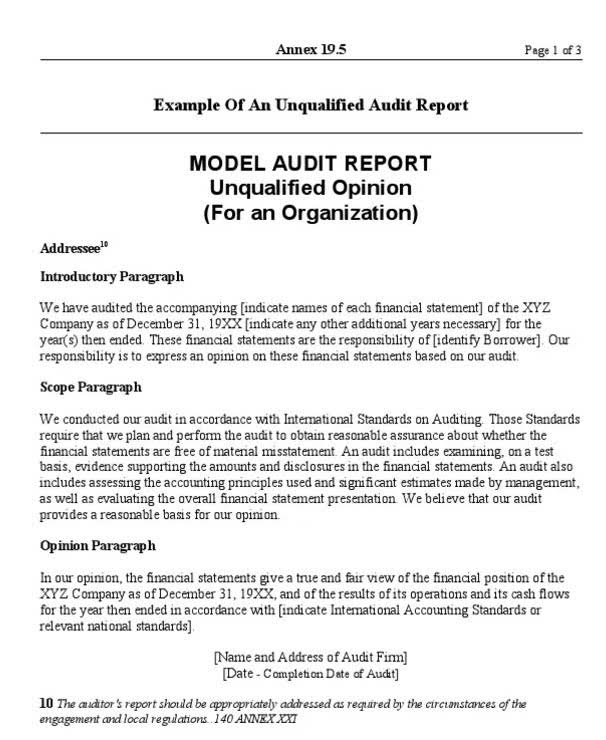
These audits serve to verify the accuracy of financial statements and provide assurance to stakeholders that the information presented is free of material misstatement.
The concept of full disclosure in financial reporting is a cornerstone of modern accounting and finance. The principle helps investors make informed decisions by providing a complete picture of a company’s financial health, including risks and uncertainties. The Full Disclosure Principle mandates that all relevant financial information must be disclosed in financial statements, ensuring transparency for stakeholders. The Full Disclosure Principle is essential for promoting transparency and trust in the financial reporting process. This principle ensures that stakeholders, including investors, creditors and regulators, have access to complete and transparent information about a company’s financial performance and position.
In particular, footnotes play a crucial role in explaining accounting policies and other relevant details regarding transactions and contingencies. Note that exceptions exist for certain types of assets, including those that require fair value adjustments, such as stocks and certain other financial instruments. That’s because using current market values can open the door to price manipulation and subjective or inaccurate estimated prices. This principle helps to prevent distortions that could happen if you record your expenses in a different period than when you got paid for the related goods or services. In accrual accounting, you’ll need to record costs when you make sales, but not necessarily when you get paid. This concept requires you to align expenses with the revenues they helped generate.1 It’s important to ensure that all of this occurs within a single accounting period.
For instance, the disclosure of contingent liabilities can significantly alter an investor’s valuation of a company. From the perspective of an investor, full disclosure provides a window into the management’s decision-making process, offering insights into the company’s strategic direction and operational efficiency. The omission or misrepresentation of material information can lead to misinformed decisions and a loss of trust. The advent of online reporting and databases has increased the accessibility and timeliness of data. Established in 1973, the fasb issues standards aimed at improving the clarity and utility of financial information. They mandated that public companies provide regular, detailed reports of their financial condition.
For stakeholders, which include employees, customers, suppliers, and the community at large, full disclosure ensures that the company’s actions are aligned with their interests and values. For instance, a company that fully discloses its debt obligations and interest coverage ratio allows investors to evaluate its solvency and risk of default. From the perspective of investors, full disclosure is a protective shield that enables them to make informed decisions.
Editorial Process
This transparency helps users of financial statements, such as investors, creditors, and analysts, to have a clear and comprehensive understanding of the business. If the entity changes its accounting policies, it is required to disclose the nature and impact of the change on the financial statements along with the reasons behind changes in accounting methods. In its financial statements, the company discloses the nature of the transaction, the relationship with the subsidiary, and any potential influence related party might have on the terms of the deal. It’s a fundamental concept that ensures transparency and honesty in financial reporting. Companies that are transparent in their financial reporting are generally viewed more favorably by stakeholders.
You can develop expertise in key accounting principles with William & Mary’s Online Master of Accounting (MAcc) program. Objectivity is a foundational principle that increases the reliability of financial information. To stay in compliance with regulations in 2025, you’ll also need to disclose details pertaining to cybersecurity risks, environmental impacts and social governance practices.5
A&I Financials
This efficiency gain translated into more timely and accurate disclosures to the market. They also ensure that the information is easily accessible for audits, thus supporting transparency and accuracy in disclosures. RegTech can help organizations keep up with the ever-changing regulatory landscape, ensuring that disclosures meet current standards. These tools range from sophisticated software for data analysis to advanced algorithms that detect anomalies and inconsistencies in financial statements. Technological tools have emerged as a pivotal force in enhancing the precision and reliability of financial disclosures. Not all aspects of a company’s operations or future prospects can be captured in financial statements.
The key is for companies to be as open as necessary, but as private as possible, to maintain their competitive advantage without compromising the integrity and verifiability of their accounting information. Ultimately, the goal is to find a middle ground that satisfies the need for transparency while protecting the strategic interests of the https://tax-tips.org/how-to-estimate-bad-debt-expense/ company. For instance, if a company discloses its detailed research and development spending, it could give competitors insights into its innovation pipeline and future products. On the other hand, companies strive to maintain a competitive edge, which can sometimes lead to withholding certain information to prevent competitors from gaining insight into strategic plans or financial maneuvers. In the realm of accounting, transparency and competitive advantage can often seem like opposing forces. The ultimate goal is to achieve a level of disclosure that not only satisfies the informational needs of today but is also robust enough to stand the test of time and emerging market dynamics.
Companies need to opt for the right depreciation method, considering the asset in question, its intended use, and the impact of technological changes on the asset and its utility. DBM has pros and cons and is an ideal method for assets where technological obsolescence is Accounting for Churches very high. As we draw this guide to a close, it’s clear that the double-declining balance method is a powerful tool for managing asset depreciation. It offers businesses the agility to maximize tax benefits early on while aligning depreciation expenses with the actual decline in asset value.
Double declining balance depreciation
Because depreciation, ultimately, reduces taxable income, we want to depreciate each asset down to zero or expense money is left on the table. Once you calculate the depreciable cost each year, just calculate the depreciation expense of 40%. The MACRS system simplifies the calculation by prescribing specific useful lives and using a convention that dictates when depreciation begins. Under MACRS, the salvage value of the asset is generally treated as zero for tax purposes, which contrasts with financial accounting requirements. Some asset classes, such as certain farm property, are required to use the 150 percent Declining Balance method or the Straight-Line method.
Compared to other depreciation methods, double-declining-balance depreciation results in a larger amount expensed in the earlier years as opposed to the later years of an asset’s useful life.
Here’s a guide to help you through the process, along with examples to show how it works over multiple years, and how the salvage value affects your calculations.
Accelerated depreciation methods, such as double declining balance (DDB), means there will be higher depreciation expenses in the first few years and lower expenses as the asset ages.
In this comprehensive guide, we will explore the Double Declining Balance Method, its formula, examples, applications, and its comparison with other depreciation methods.
Suppose a company purchases a piece of machinery for $10,000, and the estimated useful life of this machinery is 5 years.
This method calculates the depreciation expense by multiplying the asset’s book value at the beginning of each period by the double declining balance rate.
Account Receivable
Exhibit 3 presents a depreciation schedule for the delivery truck using DDB depreciation. An asset that has reached the end of its estimated useful life; no more depreciation is recorded for the asset. Estimated useful life represents the expected life of an asset during which it is anticipated to generate revenues. It’s important to note that this method never depreciates an asset below its salvage (residual) value. However, it’s important to be aware that DDB can overstate expenses early on and understate them later, which might not suit every type of asset or business model. As these examples show, the DDB method can be particularly useful for depreciating assets that have a rapid decline in efficiency, effectiveness, or relevance.
Switching to Other Depreciation Methods
A higher expense is incurred in the early years and a lower expense in the latter years of the asset’s useful life. Some companies use accelerated depreciation methods to defer their tax obligations into future years. It was first enacted and authorized under the Internal Revenue Code in 1954, and it was a major change from existing policy.
Is double declining balance GAAP approved?
These tools can quickly adjust book values, generate detailed financial reports, and adapt to various depreciation methods as needed.
To calculate it, you take the asset’s starting value, find its useful life, and then multiply the starting value by double the straight-line rate.
It gained prominence with the growing complexity of asset management in industrial and technological sectors, which required more precise methods of financial reporting.
Next, divide the annual depreciation expense (from Step 1) by the purchase cost of the asset to find the straight line depreciation rate.
Typically, accountants switch from double declining to straight line in the year when the straight line method would depreciate more than double declining.
Using the double declining balance method, an accelerated depreciation approach is applied to compute depreciation expense, which results in a larger depreciation amount during the initial years of an asset’s life.
Don’t worry—these formulas are a lot easier to understand with a step-by-step example. Get double declining balance method free guides, articles, tools and calculators to help you navigate the financial side of your business with ease. Our intuitive software automates the busywork with powerful tools and features designed to help you simplify your financial management and make informed business decisions. We take monthly bookkeeping off your plate and deliver you your financial statements by the 15th or 20th of each month. And the book value at the end of the second year would be $3,600 ($6,000 – $2,400).
Salvage value in declining balance depreciation
Real property, including residential rental property and non-residential real estate, is generally ineligible for the accelerated 200 percent Declining Balance method retained earnings under MACRS. These assets are typically depreciated using the Straight-Line method over prescribed recovery periods of 27.5 or 39 years. Businesses must use MACRS when filing IRS Form 4562 for reporting depreciation and amortization. Calculate asset write-offs faster, understand the mechanics, and leverage accelerated tax benefits. (You can multiply it by 100 to see it as a percentage.) This is also called the straight line depreciation rate—the percentage of an asset you depreciate each year if you use the straight line method.
After the Articles of Incorporation are filed, an organizational meeting is held to complete the organization of the corporation. Often, a “paper meeting” is held and a signed statement of the action taken is filed in the corporation’s minutes book. At the organizational meeting, among other actions, directors are elected (unless they were already named in the articles), bylaws are adopted, and shares are issued. Forming and running your small business like major US corporations can, at first, seem like a daunting undertaking, with tangled corporate regulations, checklists, and deadlines. A business owner may want to convert their LLC into a C corp if they seek outside investment or want to issue shares of their company.
Shareholders elect the board and may receive dividends from corporate profits.
Consulting with qualified legal and tax professionals during this process is highly recommended to address specific circumstances and ensure full compliance with all regulations.
This flexibility allows LLCs to create custom profit-sharing arrangements that don’t necessarily align with ownership percentages.
If you need help with c corporation defined, you can post your legal need on UpCounsel’s marketplace.
C corps are taxed at the corporate level, meaning that the business itself pays taxes on its profits before any distributions to shareholders.
C corporations have greater access to capital through multiple stock classes and unlimited shareholders.
Free, no signup required:
C-Corps will also need to file an Annual Franchise Tax Report and pay their state franchise taxes by March 1st of each year.
Both are pass-through entities, meaning that they don’t pay corporate taxes.
The IRS expects that S corp owner-employees receive a salary similar to what a comparable non-owner would earn.
The corporation-to-be must designate a registered agent and reserve a name.
You can learn more about the Delaware S-Corp on our website to decide which tax status is best for your business. This shield functions as a corporate veil that insulates owners from personal responsibility for company debts and obligations. For what are retained earnings example, if a C corp cannot pay its suppliers or defaults on a business loan, creditors generally cannot pursue the personal holdings of shareholders. This protection proves especially valuable for businesses operating in high-risk industries or those with significant potential liabilities. The limited liability protection also transfers to new owners when shares change hands, maintaining this crucial benefit regardless of ownership transitions.
Ownership
Delaware corporations benefit from flexible corporate statutes, minimal disclosure requirements, and no state corporate income tax for operations conducted outside Delaware. C corporations (C corps) offer entrepreneurs a powerful business structure with significant advantages for growth-oriented companies. These entities provide a formal legal framework that separates business operations from personal finances. The choice between forming an S corp or a C corp will depend on the specific needs and goals of the business, including tax considerations, number and types of shareholders, and desired ownership structure.
How can you reduce the self-employment tax liability of an LLC?
A C corporation can have many owners and shareholders but it’s required to register with the Securities and Exchange Commission (SEC) when selling securities. The ability to offer shares of stock allows the corporation to obtain large amounts of capital which can fund new projects and future expansions. C-Corps are often preferred by venture capitalists because they allow for multiple classes of stock, unlimited shareholders, and a clear legal structure for issuing equity. If you plan to raise funding or eventually go public, a C-Corp is typically the go-to structure.
The fringe benefits caveat, however, is that the employee benefits must be provided to an array of employees, not just the C-Corp’s owners. In fact, 70% of eligible employees must be able to take advantage of the benefits. We believe everyone should be able to make financial decisions with confidence.
You’ll receive a signed 83(b) election and proof of filing directly in your Stripe Dashboard. It’s important for businesses to understand when a C corp structure is the best choice. While forming a C corp carries many advantages for some businesses, a small, family-run business or https://www.bookstime.com/ a freelance consultant might not want to handle the additional administrative burdens.
This permanence appeals particularly to founders planning eventual exits while ensuring their company legacy continues. These formalities must be strictly followed c corporation definition to preserve the liability protection and legal status of the corporation. The CT Corporation staff is comprised of experts offering global, regional, and local expertise on registered agent, incorporation, and legal entity compliance. Unlike C corps, LLCs are owned by a single owner or a group of owners.
The difference between C corp and S corp mainly lies in taxation, compliance, and flexibility. As a business owner guiding your company through 2025, understanding these differences is crucial for tax planning, supporting growth, and protecting assets. The optimal choice between these two structures depends on your specific business goals, projected growth, ownership plans, and tax situation.
By automating error detection and audit reviews, it helps organizations move from reactive checks to proactive, data-driven control. While a well-structured accounts payable audit checklist lays the groundwork for a thorough review, conducting an AP audit efficiently can be challenging. This is where AP automation steps in, further enhancing efficiency by streamlining and accelerating the audit process while reducing risks.
Guide to Accounts Payable Audit With Step-by-Step Process and Checklist
This comprehensive testing phase is designed to ensure the accuracy and legitimacy of every transaction. Our electronic document management system lets you easily store your transactional information and retrieve it at a moment’s notice. Audits can take anywhere from a week to a month, depending on the scope of the investigation and the specific accounts payable audit procedures that are being used. But while they are time-consuming, accounts payable audits serve a valuable purpose. They protect against fraudulent spending and balance sheet ensure that your financial records are free from errors. A purchase order (PO) approval is a process that requires obtaining authorization from the appropriate individual or department before making a purchase.
Meanwhile, you’re paying your auditor (often by the hour!) to hurry up and wait.
Auditing for completeness focuses on the most fundamental auditing objectives and procedures during the accounts payable auditing process.
Schedule quarterly sessions covering topics such as invoice verification techniques, red flags for fraudulent documents, and proper approval workflows.
The audit will be conducted as per the auditing standards and guidelines issued by the relevant regulatory bodies.
Check that all AP processes and procedures follow relevant regulations, accounting standards, generally accepted accounting principles (GAAP), and internal policies.
How often should I conduct an Accounts Payable Audit?
Based on the auditor’s findings, there will be a follow-up to determine that highlighted issues and concerns have been dealt with and the company has achieved satisfactory results. The report provides a summary, details the areas examined and processes involved, provides feedback and guidelines, and highlights any immediate concerns. The heavy lifting of an AP audit is when the auditing team deep dives into AP records and documentation. Depending on company size, this can last a few days or a few weeks, after which an audit report will be generated that compiles and analyzes the research. After the fieldwork, the auditor summarizes their findings in an audit report.
Payment Gateway
Risk assessment criteria should guide your selection, along with transaction size and frequency patterns. Consider vendor history and relationships, and pay special attention to any unusual patterns or anomalies in the transaction data. Also, create clear channels for addressing questions or concerns as they arise, with specific protocols for requesting and sharing documentation among team members. I cannot overstate the value your Accounts Payable Recovery Audit has provided to us.
This often occurs if a company has been invoiced twice or has sent out duplicate payments.
Having a method or system in place to provide this information efficiently will expedite the audit process.
For instance, two payments made for the same invoice number or identical amounts sent to the same vendor on different dates could indicate an error—or worse, deliberate manipulation.
In smaller engagements, I usually assess control risk at high for each assertion.
Control risk of accounts payable is high if the company does not have effective control in place or the related personnel that operates the control procedures do not perform their work properly.
Built-in compliance checks
With a wide selection of innovative tires, fleets can find the right solution to meet their needs. If your business is scheduled for an audit, there are a few things you can do to prepare. While preparation may not be necessary, it Retained Earnings on Balance Sheet can make the process go a lot smoother. Auditing accounts payable is particularly important because understatement of liabilities and theft are two main occurrences that directly impact accounts payable. In a study, the Association of Certified Fraud Examiners found that the average organization loses around 5% of revenue to fraud. Whatever size business you work for, losing 1/20th of your profits to fraud has a huge impact.
wait!
We want to give you
10% discountfor your first order